


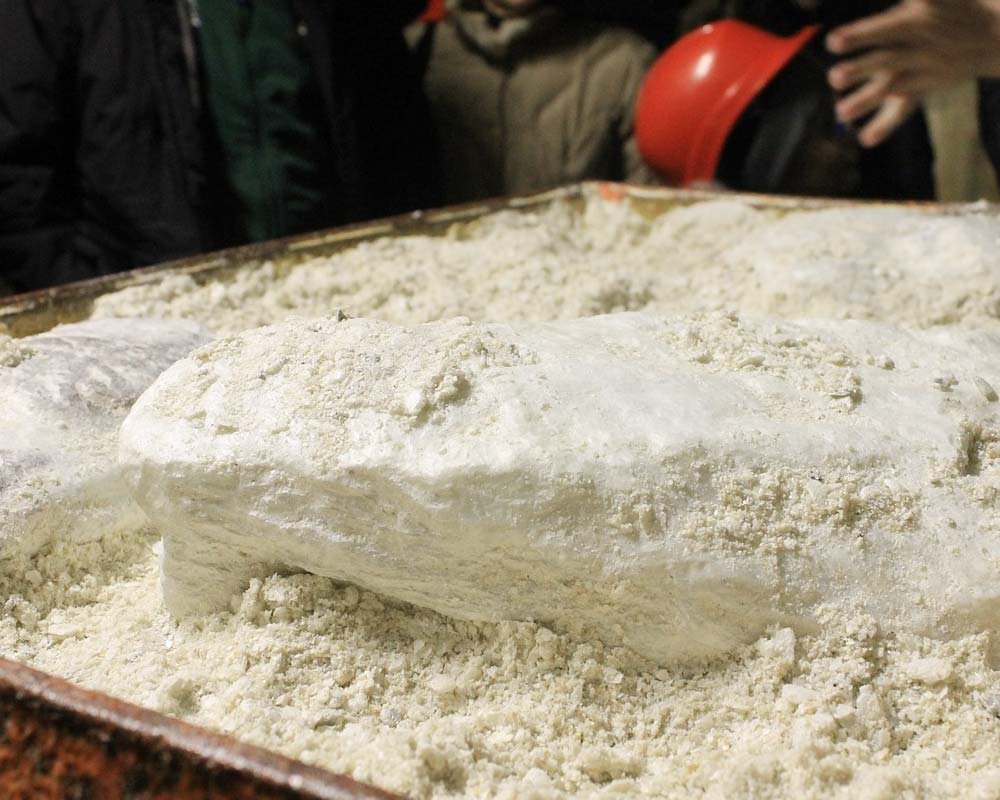
The application and market status of talc
The molecular formula of talc is Mg3Si4O10(OH)2, and the chemical name is hydrated magnesium metasilicate, monoclinic system. The theoretical composition of pure talc is 63.47% SiO2, MgO 31.68%, H2O 4.75%.
The properties of talc: pure talc is white or slightly yellowish, pink, and light green; generally dense block, leaf-like, fibrous or radial aggregates; glassy, translucent; hardness 1.0, specific gravity 2.58~ 2.83, melting point 800°C. Because talc is white in color, soft, odorless, tasteless, stable in chemical properties, it has high stability, low conductivity, fine particles, and has the advantages of flake structure and large specific surface area.
Types of talc deposits
According to the geological origin, it is mainly divided into carbonate hydrothermal metamorphic type, contact metamorphic type, sedimentary dynamic metamorphic type and ultra-basic hydrothermal metamorphic type.
According to the type of ore-forming parent rock, it can be divided into four types: magnesia carbonate, serpentinite, siliceous rock/aluminous rock and magnesia sedimentary rock.
According to the type of ore, it can be divided into four types: lump talc, flaky soft talc, tremolite talc and mixed talc.
The prospective reserves of talc in the world are more than 2 billion tons, and the proven reserves are about 800 million tons. Global talc (including pyrophyllite) deposits are distributed in more than 40 countries and regions, mainly in the United States, Brazil, China, India, France, Finland and Russia.
The main application of talc
- Papermaking
Talcum powder has a special layered structure with softness, hydrophobicity, strong adsorption and other characteristics. The addition of talcum powder in the paper industry can help increase filler retention and improve paper transparency, smoothness and printability, and make paper Has high ink absorption. It is lipophilic and can absorb organic substances to keep the white water and slurry system clean. As a filler, it also has the effect of eliminating resin barriers.

- Plastic
Talc is an important filler for plastics. It can improve the chemical resistance, heat resistance, impact strength, dimensional stability, firmness, hardness, thermal conductivity, tensile strength, creep resistance and electrical insulation of plastics. . At the same time, it is also a reinforcing agent for many thermoplastics, which can control the rheology of the melt, reduce the creep of molded products, increase the cycle of molding, and improve the heat deflection temperature and dimensional stability. When flake talc was used at that time, it had a good lubrication effect on the parts of the molding press.

- Ceramics
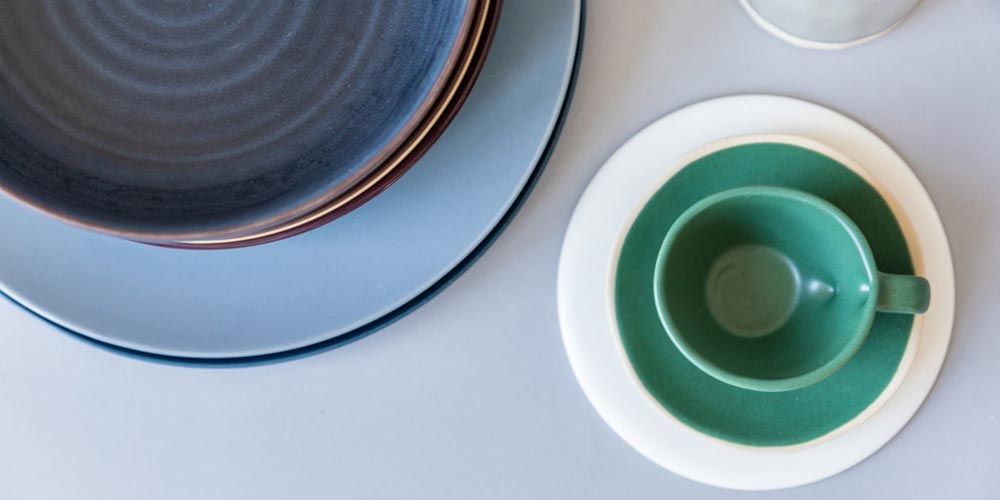
The reason why ceramics show different colors is that talc powder is added to them. Different proportions and different composition ratios can make the ceramics show different colors. At the same time, it can make the ceramics have uniform density, smooth surface and good gloss after calcination.
- Coating
Talcum powder has good suspension and dispersibility, and low corrosiveness. Therefore, in coatings, talc powder can be used as a filler and a skeleton function, which reduces manufacturing costs, and at the same time can increase product shear strength, pressure strength and Tensile strength reduces its deformation strength, elongation and thermal expansion coefficient.

- Cosmetic
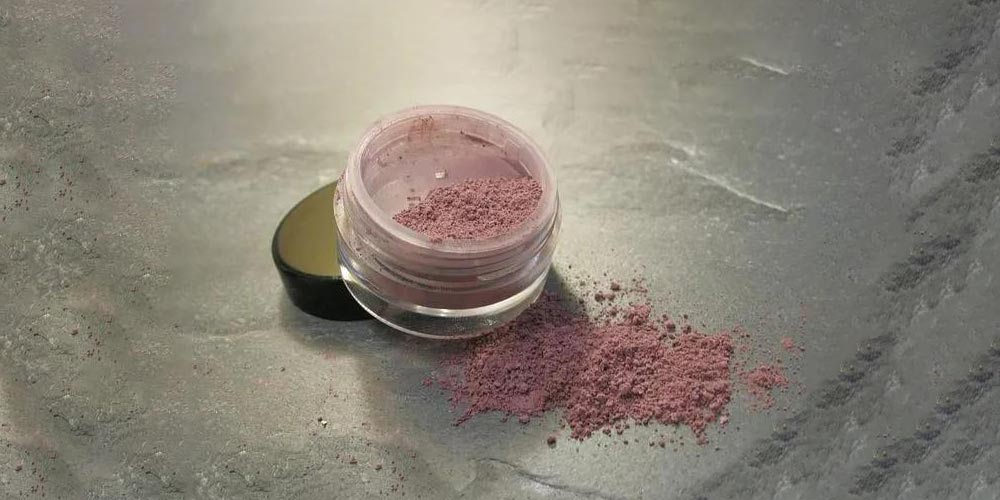
Talc is a high-quality filler in the cosmetics industry. Due to its high content of silicon, it has the effect of blocking infrared rays, enhancing the sun protection and anti-infrared properties of cosmetics. In addition, because talc powder has the properties of lubrication, softness, and hydrophilicity, various emollient powders, beauty powders, talcum powders, etc. are commonly used.
- Cable
In the wire industry, special talc powder is mainly divided into two types: rubber sheathed cable-filled talc powder and special peeling talc powder for sheathed insulated wires. Lubrication and insulation.
- Roofing, waterproof material
Talc can be used not only as a filler for roofing materials, but also as a surface material for roofing materials. When used as a filler, talc acts as a stabilizer in the molten asphalt component, which can increase the stability of the roofing material and the ability to resist weathering. When talc is sprayed on the surface of asphalt shingles or rolled roofing materials, it can prevent the materials from sticking during production and storage.
- Textile
Superfine ground talcum powder is often used as a filler and bleaching agent in some textiles, such as tarps, fireproof cloths, wheat flour bags, rope nylon, etc., which can enhance the compactness of plants, and enhance heat resistance and acid and alkali resistance Performance.
- Medicine and Food
Talc powder is often used in medicine and food because of its non-toxic, tasteless, good solubility, high whiteness, strong smoothness, and soft taste. For example, it can be used as pharmaceutical tablets, sugar coatings, Chinese medicine prescriptions, prickly heat powder, and food additives. , Release agent, etc.

- Other apps
Treatment of oily wastewater to reduce water pollution hazards. It can also be used in metal smelting, building material modification, pesticide absorbents, making overall foamy latex boards, and manufacturing floor waxes, bleaches, anti-corrosion compounds, and lubricants , Joining fillers, etc.
The market status of talc
The annual output of talc in the world in recent years is about 6 million tons. From 2016 to 2018, the international trade volume was 2.87 million tons, 3 million tons, and 2.98 million tons, accounting for about 50% of the total output.
From the perspective of the export market, China is the world's largest exporter of talc. However, in recent years, due to the impact of environmental protection and rising labor costs, the export price of talc has increased year by year. The Netherlands, Germany, the United States, Japan, and South Korea are the largest importers. The United States, China, Austria, and Italy are importing countries as well as producing and exporting countries.
Consumption profile of talc
In recent decades, the formulation of tiles and sanitary ware and the technology of burning tiles have changed, reducing the amount of talc required for the manufacture of ceramic products. In coatings, the industry has shifted its focus from oil-based coatings to water-based coatings. Talc is hydrophobic and not suitable for the production of this product.
In the 1990s, papermaking began to decrease, and some talcum powder used for pitch adjustment was replaced by chemicals. In cosmetics, talcum powder manufacturers have shifted the production of some products from talcum powder to corn starch.
The paper industry used to be the world's largest consumer market for talc. As paper mills used a large amount of calcium carbonate instead of talc for papermaking, the global talc consumption structure center gradually shifted from the papermaking market to the plastics market. It is expected that in the next few years, the world's talc production and demand will grow steadily. The consumption of talc in the plastics sector will exceed that of the paper industry. As the automotive industry develops in the direction of lighter weight, the demand for automotive plastics will further increase in the future. Thereby driving the growth of the amount of talcum powder used in automobiles.
Article source: China Powder Network
Application of Talc in Plastic Modification
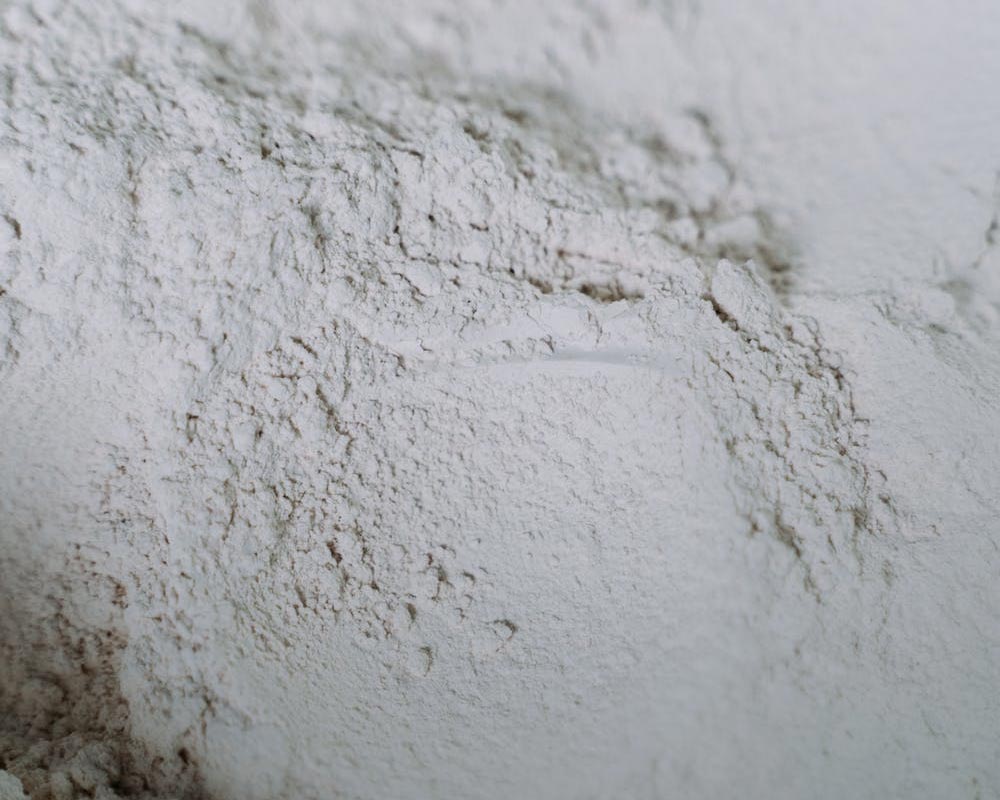
As an additive, modifier or filler, talc has been widely used in papermaking, paint, coatings, ceramics, daily chemicals, plastics, food, medicine and other industries. Talc has the advantages of soft texture, low abrasion, high gloss, low oil absorption, and good transparency.
Four properties of talcum powder
- Enhance
The significant enhancement effect of talc on plastic products mainly comes from its unique microscopic flake structure. The more complete the flake structure of the processed talc powder is, the more obvious the enhancement effect will be. A larger diameter-to-thickness ratio (the ratio of the average diameter of the flake particles to their thickness) can improve the rigidity, impact strength, flexural modulus and thermal stability of plastic products.
- Insulation, barrier
Insulates and blocks high-quality ultra-fine talcum powder into a flake structure. When used in plastic products, it can be uniformly dispersed in the resin in a layered form. Just like the metal structural net embedded in cement products, in addition to maintaining the advantages of plastic, it also has obvious heat preservation and barrier effects.
- Nucleation
The slippery feeling of talc is very obvious, the opening of the plastic added with talc is obviously improved, and the anti-blocking property of the film can also be improved. When ultra-fine talcum powder (below 1μm) is uniformly dispersed in the plastic matrix, it can act as a nucleating agent.
- Anti-aging
Talc, mica, kaolin and other silicon-containing minerals have infrared and ultraviolet barrier properties, and have obvious effects of heat preservation and aging resistance in plastic products.
Reasons for choosing talcum powder
- Structure
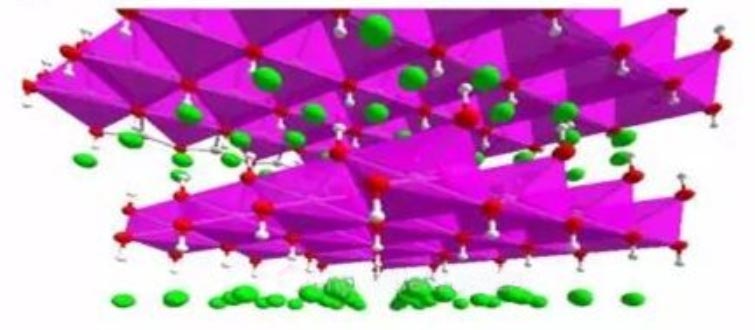
Since the crystalline structure of talc is layered, it has a tendency to split into scales and special lubricity. When used in plastic products, it can be uniformly dispersed in the resin in a layered manner, and has good compatibility with the resin. The complementarity of properties and mechanical properties can improve the physical properties of plastic products.
- Silica content
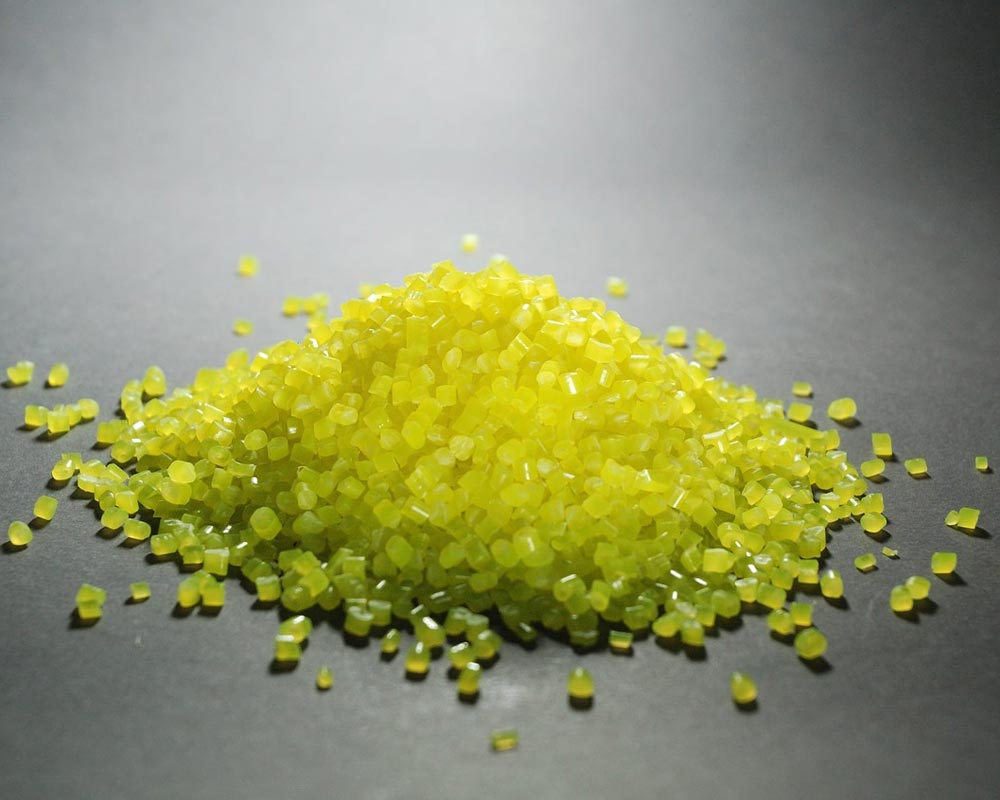
The silicon content in talc powder is an important indicator to measure the grade of talc powder. The higher the silicon content in talc powder, the higher the purity of talc, the better the application effect and the higher the price. Customers need to choose talcum powder according to the performance requirements of different plastic products.
- Colour
The color of raw talc powder can be white, gray, light red, pink, light blue, light green and other colors, and has different degrees of solid luster. This color can improve the appearance and visual effect of the product.
- Surface properties
The larger specific surface area and appearance structure of talc powder will not only affect the amount of additives, but also promote the bonding force between the resin structures, thereby improving the physical properties of plastic products.
The influence of talcum powder on plastic properties
- Improve the molding shrinkage rate of plastic products
As the content of talc powder increases, the shrinkage rate of polypropylene plastics gradually decreases. The addition of talc powder increases its viscosity and decreases creep properties, thus reducing the crystallinity of the plastic; talc powder itself has no shrinkage, thus Reduce the overall material molding shrinkage.
- Surface hardness and surface scratch resistance
Surface hardness and surface scratch resistance are requirements for certain plastic products. Adding talc to polyethylene and polypropylene plastics can effectively improve the surface hardness and surface scratch resistance of products.
- Flexural modulus
The addition of white talc with flake structure to any kind of plastic can significantly increase its flexural modulus. For general mineral filling, this is the most significant feature of talc.
- Tensile Strength
The content of talc powder within a certain range can increase the tensile strength. After adding 1500 mesh activated talc to polypropylene, the tensile strength of the material changes. When the content of talc powder is less than 20%, the tensile strength of the material increases slightly. When the content of talc powder is above 20%, the tensile strength of the material gradually decreases as the content increases. The main reason is that the talc powder further increases, which weakens the polypropylene. Caused by the intermolecular gravitation.
- Impact strength
The effect of talc on the impact strength of plastic materials is similar to the effect of talc on the tensile strength of plastic materials. When the content of various mineral additives is less than 10%, they all have an effect on improving the impact toughness. When the content is greater than 10%, the impact performance begins to decrease.
- Deformation temperature
Talc has a significant effect on the thermal deformation temperature of plastic materials, and can effectively increase the thermal deformation temperature of various plastics, thereby increasing the heat resistance of plastics.
Application of talcum powder in modified plastics
- Polypropylene resin (PP)
After polypropylene resin is added to talc, the rigidity is improved, the surface hardness is improved, the heat creep resistance is improved, the electrical insulation is improved, and the dimensional stability is improved.
Polypropylene change with 40% superfine talcum powder masterbatch
| Category | Variety |
| Flexural modulus | 16100kg/cm2 increased to 42000kg/cm2 |
| Heat change temperature | 62℃(1.82Mpa force) increased to 88℃ |
- Polyethylene resin (PE)
After polyethylene resin is added to talc, the toughness is improved, the heat change temperature is improved, the flexural strength is improved, the creep tendency is reduced, the mechanical strength is improved, the surface hardness is improved, and the smoothness is improved.
- ABS resin (acrylonitrile-butadiene-styrene copolymer)
In order to improve the existing performance of ABS, the car instrument board blister sheet made by blending ABS and PVC, and the cover skin of imitation leather luggage made by blending ABS and PVC are high in strength and toughness. This blended material is filled with ultrafine talcum powder, which has the advantages of improving notched impact strength and reducing cost.
- Polystyrene resin (PS)
Polystyrene resin has shortcomings such as high brittleness and sensitivity to environmental stress cracking. After adding talc, it can adjust rheological properties, improve impact toughness, increase perturbation modulus, and increase tensile yield strength.
For example: adding 40% superfine talc powder or talc powder masterbatch, the perturbation modulus increases from 23800kg/cm2 to 58800kg/cm2, and the tensile strength increases from 336kg/cm2 to 385kg/cm2.
- Polyvinyl chloride resin (PVC)
The average particle size is 5 microns or 2000 mesh talc. After adding to 40-45% volume, the yield strength is even higher than the original breaking strength, which has a significant enhancement effect on the PVC system; the unnotched impact strength is 15% by weight There is basically no reduction in the weight, and the notched impact strength is reduced; it can significantly increase the flexural modulus.
Comparison of the influence of talcum powder and calcium carbonate on plastic modification
- Shape
The shape of talcum powder is flake, so it has higher rigidity, and at the same time, it has dimensional stability and heat resistance temperature, and it has a good reinforcement effect. Calcium carbonate is generally granular, so its stiffness and other aspects are not as good as talc.
- Nucleation
Talc has a nucleating effect on polypropylene, while calcium carbonate has no obvious effect in this respect.
Comparison of the influence of calcium carbonate and talc on plastic modification
| Content | Tensile Strength | Bending strength | Flexural modulus | Model shrinkage |
| 20% calcium carbonate | 27.8Mpa | 40Mpa | 2000Mpa | 0.87 |
| 20% talcum powder | 29Mpa | 42Mpa | 1300Mpa | 0.82 |
How to use talcum powder
- Direct powder addition method
The talc powder is directly mixed with the plastic raw material and then extruded and pelletized by the twin-screw extruder to become the modified plastic raw material. This is a common method and the most economical method.
- Carrier-free masterbatch method
The talcum powder is made into a kind of loose particles without a carrier through a special process, and then the particles are mixed with plastic raw materials, and granulated into modified plastic raw materials by a twin-screw extruder.
- Filling masterbatch method
The talc powder and the plastic carrier are mixed and granulated by an extruder to form a high-content masterbatch. This masterbatch can be directly mixed with plastic raw materials, and the finished product can be processed by extrusion and injection.
Precautions for the use of talcum powder
The surface activation treatment of talc powder is necessary, and the surface activation treatment of talc powder is mainly to improve the compatibility between talc powder and plastic raw materials and increase the modification effect. Different surface treatment agents should be selected for different plastics.
The dispersibility of talc powder in plastic raw materials, under the same formula, the dispersibility of talc powder in plastic raw materials has a great influence on the final physical and chemical properties of the modified material. The production process should be strictly controlled. The main factors affecting the dispersion of talc in plastic raw materials are formula, temperature, output, and process. In addition, when the amount of talc powder added is large, a stepwise addition method can be used to achieve a good dispersion effect.
Talc is a non-metallic mineral with a very wide range of applications. With the continuous improvement of social technology development, the application of talc is facing more opportunities and challenges. The application demand for talc powder in various industries is increasing, and the market for talc has an immeasurable prospect.
Article source: China Powder Network