


Why is aluminum hydroxide so effective in treating stomach problems?
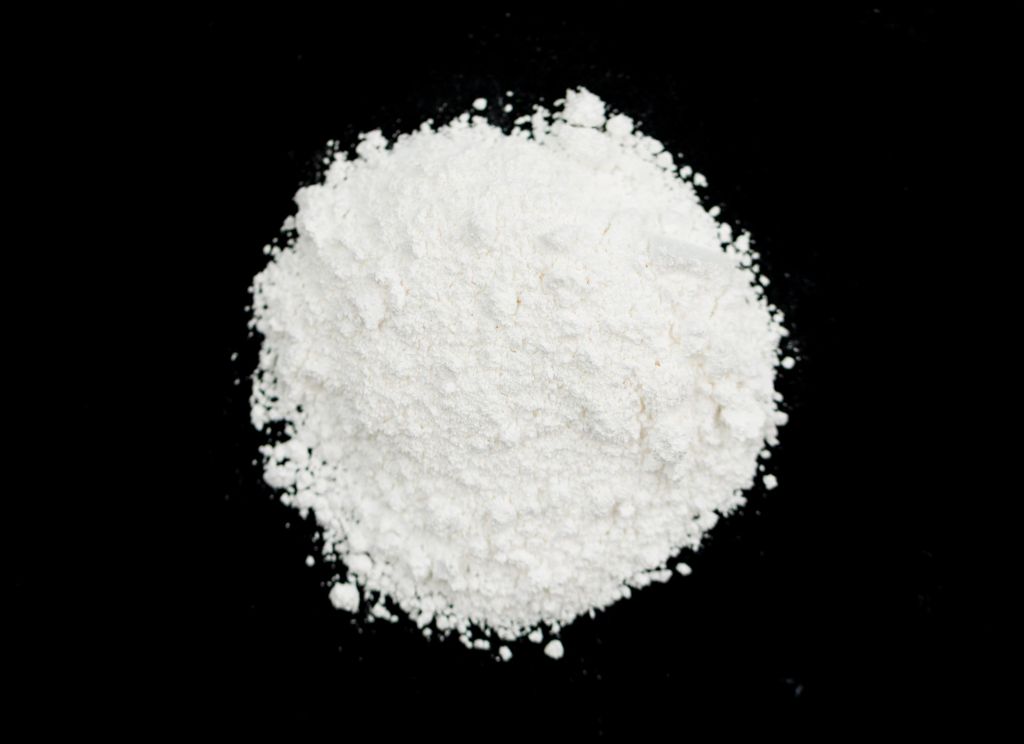
Aluminum oxide, also known as alumina, with the chemical formula Al2O3, is the second most abundant oxide in the Earth’s crust after silicon dioxide, and is widely found in minerals such as feldspar and mica. Industrially, it is often refined from natural mineral raw materials—bauxite—to obtain alumina.
In a broader sense, aluminum oxide is a general term for aluminum oxides and aluminum hydroxides, a class of compounds composed of aluminum, oxygen, and hydrogen. Due to its multiple forms and properties, aluminum oxide can be divided into hydrated and anhydrous aluminum oxide.
Common hydrated aluminum oxides include industrial aluminum hydroxide, gibbsite, boehmite, pseudoboehmite, diaspore, corundum, and tohdite. Among these, industrial aluminum hydroxide, gibbsite, and boehmite are trihydrated aluminum oxides, diaspore and corundum are monohydrated aluminum oxides, and pseudoboehmite and tohdite are polyhydrated aluminum oxides.
In a broader sense, aluminum hydroxide is a general term for monohydrated aluminum oxide (meta-aluminum hydroxide) and trihydrated aluminum oxide (ortho-aluminum hydroxide). Hydrated aluminum oxide is not a true hydrate of aluminum oxide, but rather emphasizes a crystalline structure of aluminum hydroxide, where aluminum and hydroxide ions are connected by ionic bonds, and all hydroxide ions are equivalent. Aluminum hydroxide is usually a white powder, odorless, non-toxic, inexpensive, and widely used. Aluminum hydroxide is best known for its use as a flame retardant added to polymer matrix materials, where it exhibits excellent flame retardant properties.
Have you noticed that in daily life, aluminum hydroxide is often used to make stomach medicine? It has antacid, adsorbent, local hemostatic, and ulcer-protective effects. Aluminum hydroxide gel can be used to neutralize stomach acid and has a therapeutic effect on some common stomach diseases.
The principle is simple: aluminum hydroxide is a typical amphoteric oxide; it can react with both acids and bases. Therefore, aluminum hydroxide can neutralize or buffer stomach acid. When aluminum hydroxide reacts with stomach acid, the resulting aluminum chloride has an astringent effect, which can provide local hemostasis, but may also cause constipation as a side effect. Aluminum hydroxide, when mixed with gastric juice, forms a gel that covers the surface of ulcers, creating a protective film. This film isolates the gastric mucosa from irritation and damage caused by gastric acid, pepsin, and other harmful substances, promoting the repair and healing of the gastric mucosa and aiding in the treatment of gastritis, gastric ulcers, and other related diseases.
Secondly, aluminum ions bind with phosphates in the intestines to form insoluble aluminum phosphate, which is then excreted in the feces. Therefore, in patients with uremia, taking large amounts of aluminum hydroxide can reduce the absorption of intestinal phosphates, thereby alleviating acidosis.
Furthermore, nanoscale aluminum hydroxide can be used as a drug carrier to encapsulate drugs or antigens, improving drug stability and targeting. In addition, aluminum hydroxide is often used as a pharmaceutical excipient in the preparation of oral medications and vaccines, ensuring drug stability and safety.