


Preparation Process and Applications of Pharmaceutical-Grade Titanium Dioxide
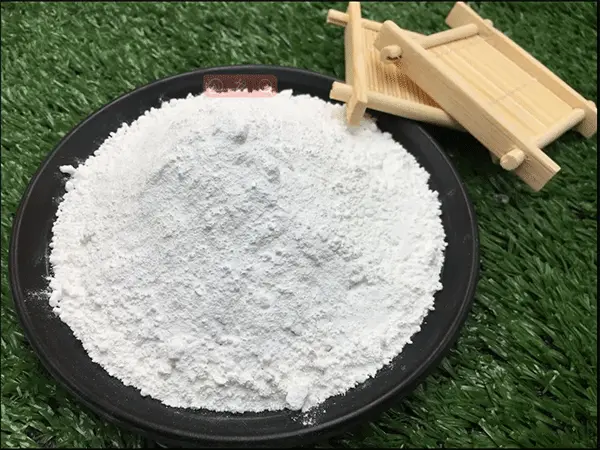
In the medical system, titanium dioxide is used as a pharmaceutical white pigment due to its insolubility in acids and stable properties. It is used in capsules, coating powders, tablets, and medical devices, and is suitable for manufacturing opaque capsules, tablet film coatings, creams, pharmaceutical packaging materials, and pharmaceutical inks. In pharmaceutical formulations, titanium dioxide is an important component of protective coatings, improving the safety, efficacy, and quality of drugs over longer periods. Due to its ability to scatter light and absorb ultraviolet radiation, titanium dioxide extends shelf life and ensures drug stability by protecting active ingredients from UV light and thermal degradation.
Titanium dioxide is commonly used in the preparation of film-coating suspensions, sugar coatings, and gelatin capsules. It can also be mixed with other coloring agents and applied to topical preparations. It can also replace starch as an excipient, coating agent, coloring agent, and UV diluent in the preparation of coated tablets, pills, granules, capsules, and topical preparations. In color lakes, it is used as an opacifying agent to ensure uniform color, giving it a wide range of applications and promising market prospects.
The production of pharmaceutical-grade titanium dioxide requires strict standards for particle size distribution. This means that the crude product obtained from calcination must undergo a grinding process to ensure that the resulting titanium dioxide meets the requirements. During production, wet grinding technology is employed, using a sand mill to further refine the initially ground and slurried crude product. Zirconia beads and dispersants are used to ensure a uniform particle size distribution after grinding. Considering that the product will be used in the pharmaceutical field, the production process avoids adding additional chemical reagents for surface treatment to prevent the introduction of heavy metal ions. After grinding to the required fineness, the next step is washing, the purpose of which is to remove the salt treatment agents and dispersants added before calcination. The completion of washing can be monitored by an online conductivity electrode to detect impurity ions, or by using a 10% barium chloride solution to ensure the absence of sulfate ions. After successful washing, the material is dried in a drying oven to remove moisture and then sent to an air jet mill. No organic treatment agents are added, avoiding the toxicity to the human body caused by organic treatment agents, preventing interference with the active ingredients in the drug, and improving the effectiveness of the drug while also reducing production costs.
Medical-grade titanium dioxide has a wide range of applications. Considering various aspects such as medical examinations, medical diagnosis, and medical treatment, titanium dioxide is an effective method for medical diagnosis and treatment.
Based on the preparation methods of pharmaceuticals, this analysis examines the dosage specifications, preparation methods, and potential risk factors during the use of pharmaceutical products, and analyzes the limiting factors in the field of pharmaceuticals.
Based on key elements of hygiene and health bioscience assessment, the scope of application for medical-grade titanium dioxide is continuously expanded, and more extensive clinical evaluations and analyses of medical-grade titanium dioxide treatment are conducted.