


How to solve the problems of dispersion and large particles of talc powder used in coatings?
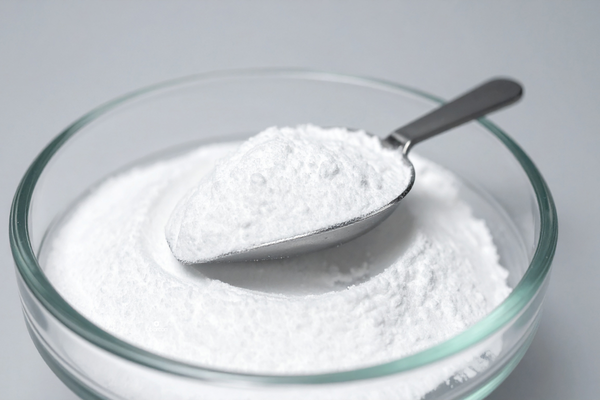
Talc, a commonly used functional filler in coatings, plays a crucial role in improving the mechanical properties of paint films, regulating rheology, and reducing costs. However, its poor dispersion stability and large particle size in coating systems directly affect the storage stability, application performance, and final film quality of the coatings.
1. Powder Pretreatment and Selection
Surface Modification: Surface-treated talc is preferred. Coating with silane coupling agents, titanate coupling agents, or stearic acid can significantly enhance its affinity with polymer bases, fundamentally reducing the tendency to agglomerate.
Particle Size and Distribution Control: Avoid using products with excessively wide original particle size distributions or containing ultra-coarse particles (>45μm). Narrowly distributed ultrafine talc (e.g., D50 of 5-15μm) generally has better dispersion potential.
2. Selection and Formulation of High-Efficiency Dispersants
The role of dispersants is to wet and break up agglomerates and maintain stability through steric hindrance or electrostatic repulsion.
(1) Aqueous Systems
Polyacrylates: General-purpose, providing electrostatic stability; pH and electrolyte stability must be considered.
Block Copolymers: Such as polyether-polyurethane, providing strong steric stability, firmly anchoring to hydrophobic surfaces (such as talc), and exhibiting good anti-flocculation effects, making them the first choice for solving large particle problems.
Compound Strategy: Wetting agents (such as acetylenic diols) are often compounded with high molecular weight dispersants to achieve a combination of rapid wetting and long-term stability.
(2) Solvent-Based Systems
Acidic/Alkaline Dispersants: These interact with the talc surface through anchoring groups; high molecular weight block copolymers are commonly used.
Key Evaluation Indicators: Molecular structure of the dispersant (anchoring groups and solvation chain length), dosage (optimal point determined by adsorption isotherms), and compatibility with the system.
Precise Optimization of Dispersion Process
The process is crucial for breaking agglomerates and achieving separation of primary particles.
(1) Pre-dispersion (wetting) stage
Using a high-speed disperser, slowly add talc powder to the solvent/base mixture at a low speed to ensure all powder is submerged in the liquid, forming a uniform paste. High speed should be avoided during this stage to prevent dust and air trapping.
A planetary mixer can effectively knead and mix the particles, especially effective in breaking up tightly packed agglomerates.
(2) High-efficiency grinding and dispersion stage
Sand mill/bead mill: The most effective equipment for eliminating micron-sized large particles.
Grinding media: Use smaller (e.g., 0.4-0.8mm zirconia beads) and higher hardness beads to increase collision frequency and shear force.
Rotor linear velocity: Maintained in a high shear range (typically >10m/s).
Number of passes: Typically 2-4 cycles are required depending on the initial particle size and target fineness. Online particle size monitoring allows for precise control of the endpoint.
Three-roll mill: Excellent for high-viscosity slurries and eliminating very small amounts of coarse particles (screen residue).
Quality Monitoring and Evaluation Methods
1. Particle Size Analysis
Laser Particle Size Analyzer: Monitors particle size distribution changes throughout the production process, focusing on D97, D100, and the tail trend of large particles. It is a core tool for judging dispersion effectiveness.
Hegmann Fineness Plate/Scraper Fineness Meter: Quickly and easily assesses the maximum particle size, suitable for on-site production control. The goal is to control the fineness below the target value (e.g., ≤25μm).
2. Microscopic Morphology Observation
The dispersion state and flaking of talc in the cross-section of the paint film are observed using scanning electron microscopy (SEM).
3. Stability Assessment
Storage Stability: After long-term standing, sedimentation, stratification, and the ease of redispersion are tested.
Thermal Storage Stability: Accelerates the testing of the system’s resistance to flocculation.
4. Paint Film Performance Testing
Finally, the effect of dispersion on the improvement of paint film gloss, crack resistance, and scrub resistance is verified.
For high-end coating products, it is recommended to use a combination of “surface-modified talc powder + polymer block copolymer dispersant + sand milling process” to fundamentally and significantly improve the dispersion level of talc powder, eliminate harmful large particles, and thus give full play to its positive role in enhancing, reducing costs, and improving the performance of the coating film.