


Applications of Diatomaceous Earth in the Pharmaceutical Field
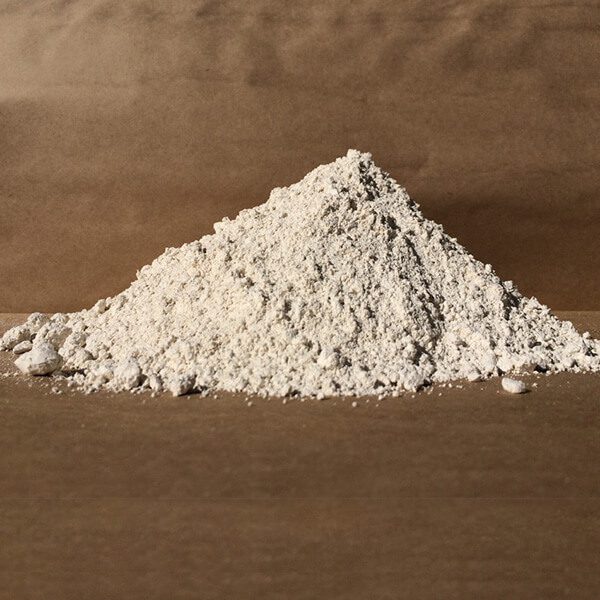
Diatomaceous earth is a siliceous sedimentary rock composed of the remains of diatoms; it constitutes a significant non-metallic mineral resource. Its unique physicochemical properties enable it to play a pivotal role across a wide range of industries, serving as an additive for polymer materials, a filler and reinforcing agent for coatings, a filtration aid in chemical processing, an adsorbent, a catalyst support, a carrier for surfactants, and a stationary phase or support in chromatography, among other applications. In recent years, the application of diatomaceous earth has also seen a gradual expansion into emerging fields, such as biomedicine, acoustic materials, and new energy technologies.
At the current stage, pharmaceutical formulation companies typically utilize pharmaceutical-grade or food-grade diatomaceous earth as an adsorbent and filter aid; its primary function is to significantly enhance the clarity and purity of liquid drug preparations. Diatomaceous earth is commonly employed in various processes, such as the pre-filtration of blood products, the filtration of lipid-based medications, and the coarse filtration involved in the extraction of traditional Chinese medicine. Particular attention must be paid to safety protocols: when handling diatomaceous earth filter aids—especially calcined varieties (DS)—within a pharmaceutical GMP environment, appropriate respiratory protection measures must be implemented to mitigate the risk of silicosis.
① Diatomaceous Earth as a Filter Aid: Widely Applied Across Various Stages of Pharmaceutical Production
The highly porous structure of diatomaceous earth enables it to effectively adsorb and filter out solid particles, suspended matter, colloidal particles, and certain microorganisms present in liquids, thereby serving to clarify and purify the fluid. The efficacy of diatomaceous earth is particularly pronounced during the solid-liquid separation processes involved in pharmaceutical manufacturing.
② Diatomaceous Earth as a Drug Carrier: Used in the Development of Controlled-Release Systems
By adsorbing a drug onto diatomaceous earth—and subsequently employing techniques such as protective film coating or porosity modulation—it is possible to achieve sustained drug release within the body over an extended period. This approach enhances both the therapeutic efficacy and the convenience of the medication. Such applications hold significant value in areas involving long-term drug therapy, the management of chronic diseases, and pain management.
③ Diatomaceous Earth as a Pharmaceutical Excipient
In pharmaceutical formulations, diatomaceous earth serves as an inert auxiliary material. Leveraging its porous structure and high specific surface area, it primarily fulfills the following excipient functions: acting as an adsorbent or sustained-release carrier to modulate drug release kinetics; serving as a stabilizer to enhance the physicochemical stability of the drug; or functioning as a glidant or diluent to optimize the processing characteristics of the formulation. A critical consideration is the need to employ technical strategies—such as surface modification—to control or minimize the non-specific adsorption of protein-based drugs, thereby preventing any adverse impact on the drug’s bioavailability.
④ Diatomaceous Earth Applications in Tissue Engineering
Bone healing defects resulting from various bone pathologies—including osteoporosis, osteomyelitis, osteosarcoma, and maxillofacial tumors—remain a major clinical challenge. Currently, the treatment of these conditions typically necessitates bone grafting procedures to replace the missing bone tissue. Leveraging its unique porous structure, high specific surface area, and excellent physicochemical stability, diatomaceous earth has gradually evolved from a traditional filtration aid into a multifunctional biomaterial that integrates controlled drug release, functional excipient properties, and tissue engineering scaffolding capabilities. Through advanced techniques—such as surface modification and composite functionalization—that address its inherent limitations (e.S., issues related to protein adsorption), the scope of diatomaceous earth’s applications within the biomedical field is continuously expanding. Looking ahead, as interdisciplinary research deepens and nanotechnology advances, diatomaceous earth-based composite materials are poised to demonstrate even broader application prospects in the realms of precision medicine, regenerative medicine, and novel drug delivery systems.