


Functional Characteristics of Seven Common Categories of Dispersants
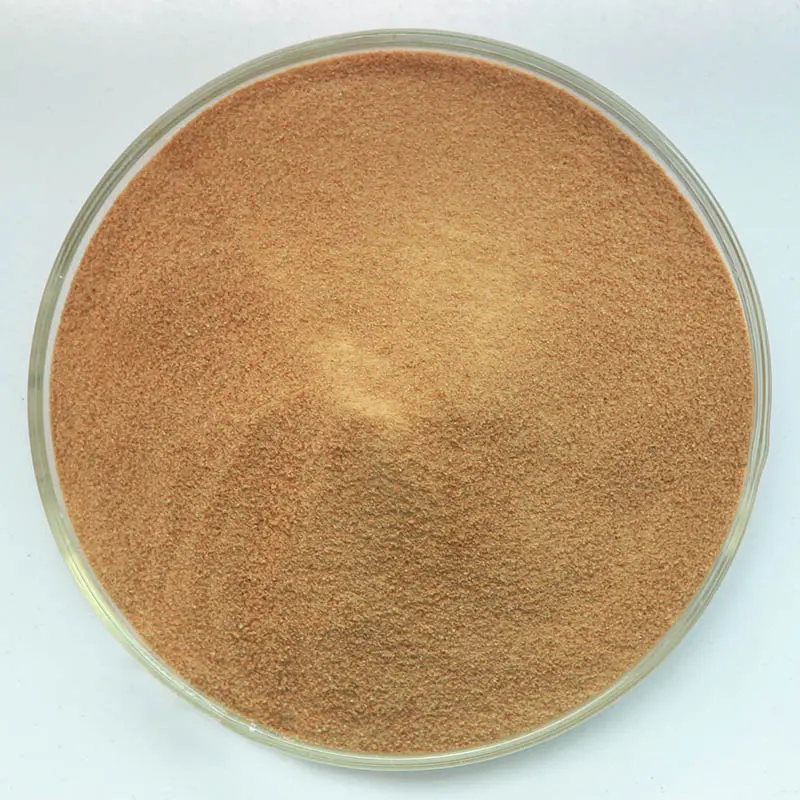
A dispersant is an amphiphilic polymer containing both hydrophilic and hydrophobic structures; it stabilizes the dispersion of solids or liquids within incompatible media through mechanisms such as electrostatic repulsion or polymer steric hindrance, ensuring that the hydrophilic and hydrophobic groups within the molecule function effectively.
Dispersants have a wide range of applications and come in many varieties; they are primarily categorized into seven major types: anionic, cationic, non-ionic, amphoteric, electrically neutral, polymeric, and hyper-dispersants.
Anionic Dispersants
Based on cost-effectiveness and dispersion performance, anionic dispersants are considered promising additives widely used in industry.
Anionic dispersants consist of two structural components: a negatively charged hydrophilic group and a lipophilic hydrocarbon chain.
Cationic Dispersants
The molecular structure of cationic dispersants typically comprises two parts: a positively charged hydrophilic group and a lipophilic hydrocarbon chain; compounds formed from these two parts constitute cationic surfactants.
Cationic dispersants exhibit exceptionally strong adsorption on material surfaces and are widely used with pigments such as carbon black and organic pigments.
Non-ionic Dispersants
Non-ionic dispersants are composed of compounds that neither ionize nor carry an electric charge. While they can reduce surface tension and improve wettability—and their dispersing power is generally weaker than that of ionic (anionic/cationic) dispersants—they still deliver excellent dispersion results in specific systems or materials, such as pH-sensitive dispersion media, multi-charged systems, and organic solvents.
Currently, the most common non-ionic dispersants on the market—which see widespread application—include fatty acid ethylene oxide adducts (R-COO(CH2CH2O)nH), polyethyleneimine derivatives ((NHCH2CH2)nNH2), and polyethylene glycol polyols (HO(CH2CH2O)nH).
Amphoteric Dispersants
Amphoteric polymers, also known as polyampholytes, contain repeating units of both cationic and anionic monomers.
Common amphoteric dispersants include carboxylates and sulfonates; among carboxylate-type dispersants, the amino acid type and the betaine type are the most prevalent.
Electroneutral Dispersants
The fundamental characteristic of electroneutral dispersants is that the sizes of the anionic and cationic organic functional groups are roughly equal; the molecule as a whole is electrically neutral yet possesses polarity.
Oleylamino oleate is a common electroneutral dispersant on the market and enjoys a strong application profile. Polymeric DispersantsAs a specific class of polymers, polymeric dispersants are characterized by high molecular weights and excellent dispersing capabilities. These properties stem primarily from the presence of both hydrophilic and hydrophobic groups within their molecular structures.Common types of polymeric dispersants include (meth)acrylic acid and (meth)acrylate copolymers, as well as low-molecular-weight polyethers derived from polyhydroxystearic acid. Their molecular structures can be constructed in three ways: grafting hydrophobic chains onto a hydrophilic backbone, grafting hydrophilic chains onto a hydrophobic backbone, or arranging hydrophilic and hydrophobic segments in an alternating pattern.
Hyperdispersants
Hyperdispersants are block copolymers featuring multiple anchoring groups within their molecular structure. They provide excellent wetting and dispersion on pigment surfaces—proving particularly effective for hard-to-disperse pigments such as titanium dioxide and phthalocyanine blue—and significantly enhance properties like coating fluidity, gloss, and adhesion, largely due to the strong affinity they establish with the pigment surface.