


Applications of Rare Earth Elements in New Materials
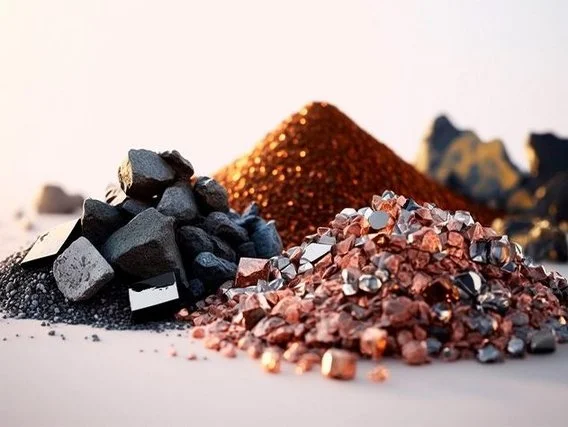
Rare earth-cobalt, as well as neodymium-iron-boron permanent magnet materials—characterized by high remanence, high coercivity, and a high maximum energy product—are widely utilized in the electronics and aerospace industries. Garnet-type ferrite single crystals and polycrystals, synthesized from pure rare earth oxides and ferric oxide, find application in the microwave and electronics sectors. Yttrium aluminum garnet and neodymium glass, fabricated using high-purity neodymium oxide, serve as solid-state laser materials. Rare earth hexaborides are employed in the production of cathode materials for electron emission. Lanthanum-nickel alloy is a hydrogen-storage material that emerged as a new development in the 1970s, while lanthanum chromite functions as a high-temperature thermoelectric material. In recent years, nations worldwide have achieved groundbreaking progress in the development of superconducting materials through the use of barium-based oxides modified with barium, yttrium, copper, and oxygen; these materials enable the realization of superconductivity within the temperature range of liquid nitrogen.
Furthermore, rare earth elements are extensively used in lighting sources, including phosphors for projection televisions, intensifying screens, tri-color lighting, and photocopier lamps. In the agricultural sector, the application of trace amounts of rare earth nitrates to field crops can boost yields by 5% to 10%. In the light and textile industries, rare earth chlorides are widely utilized in processes such as fur tanning, fur dyeing, wool yarn dyeing, and carpet dyeing.