


The Roles of Wollastonite and Dolomite in Glazes
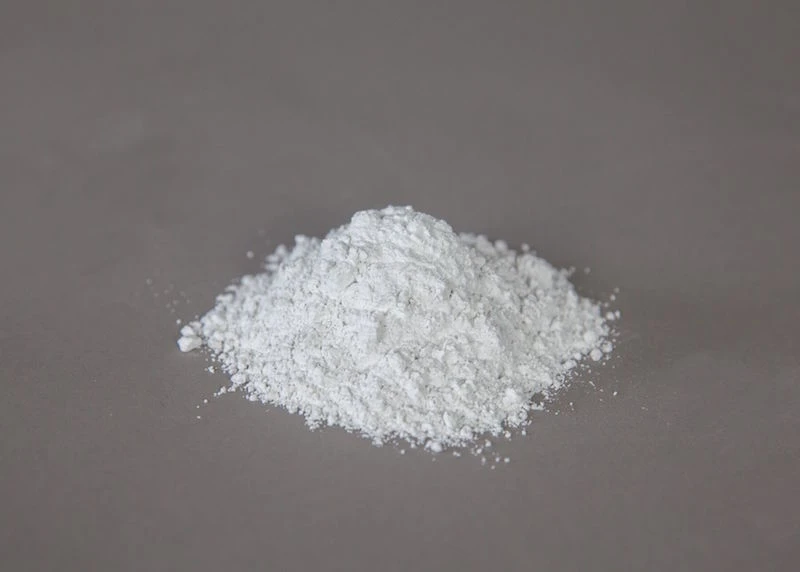
In the formulation of glazes, it is crucial to master the principles governing the substitution of various raw materials; this enables one to transcend the limitations of available ingredients and thereby create glazes that precisely match one’s expectations.
The following section introduces two commonly used raw materials for glaze making: wollastonite and dolomite.
Both materials belong to the calcium-based (magnesium-containing) flux family; they share similar core functions and are frequently utilized in glaze preparation.
1. **Fluxing Action:** They lower the melting temperature and high-temperature viscosity of the glaze, promote glaze leveling, and reduce defects such as pinholes and glaze retraction.
2. **Property Enhancement:** They improve glaze hardness, abrasion resistance, and chemical stability; strengthen the bond between the body and the glaze; and minimize issues such as glaze crazing and peeling.
3. **Thermal Expansion Control:** They regulate the glaze’s coefficient of thermal expansion, thereby optimizing the compatibility between the ceramic body and the glaze.
4. **Textural Refinement:** They assist in improving glaze texture, imparting a soft luster to the surface, and are compatible with various glaze types, including matte and semi-transparent glazes.
**III. Key Differences**
**1. Fluxing Power and Melting Characteristics**
**Wollastonite:** Exhibits high fluxing efficiency and rapid melting kinetics, though its melting range is relatively narrow. It quickly reduces glaze viscosity and promotes rapid leveling of the glaze surface, making it ideal for products requiring a high degree of surface flatness.
**Dolomite:** Its fluxing power is slightly lower than that of wollastonite; however, it possesses a broad melting range and undergoes a gradual melting process. This allows it to effectively buffer high-temperature fluctuations within the glaze, offering greater adaptability to varying kiln positions and reducing the likelihood of defects such as over-melting or glaze runoff.
**2. Glaze Coloration and Texture**
**Wollastonite:** Characterized by extremely low impurity levels and high whiteness, it does not interfere with glaze coloration. It helps maintain a clean, transparent glaze appearance and is well-suited for high-whiteness glazes, transparent glazes, light-colored glazes, and precision-colored glazes; it also enhances the overall fineness of the glaze texture.
**Dolomite:** Contains magnesium, which imparts a soft, milky opacity to the glaze surface. Its whiteness is slightly lower than that of wollastonite, and the presence of trace iron impurities may cause the glaze to take on a faint grayish tint; consequently, it is not suitable for pure white glazes but is better suited for matte and opaque glazes.
**3. Firing Defects and Atmospheric Compatibility**
**Wollastonite:** Exhibits an extremely low loss on ignition (LOI) and generates virtually no gas at high temperatures, resulting in a very low risk of pinhole and bubble defects. It is compatible with both oxidizing and reducing kiln atmospheres and is resistant to discoloration issues such as “smoking” (graying) or yellowing. Dolomite: Characterized by a high loss on ignition and significant gas evolution during high-temperature decomposition; if used in excessive quantities or fired too rapidly, it is prone to causing pinholes and blistering. Under a reducing atmosphere, the magnesium content may compromise the color stability of the glaze; therefore, it is better suited for firing in an oxidizing atmosphere.
4. Thermal Expansion and Body-Glaze Compatibility
Wollastonite: Possesses a moderate coefficient of thermal expansion, allowing it to effectively regulate glaze expansion. It is compatible with low-to-medium temperature earthenware bodies as well as medium-to-high temperature porcelain bodies, offering effective resistance against glaze crazing.
Dolomite: Contains magnesium and has a coefficient of thermal expansion slightly lower than that of wollastonite. It demonstrates superior adaptability to various ceramic bodies—particularly those with a relatively low coefficient of expansion—and helps minimize glaze cracking caused by both cooling and thermal shock.