


Diverse Applications of Calcite and Standard Milling Solutions
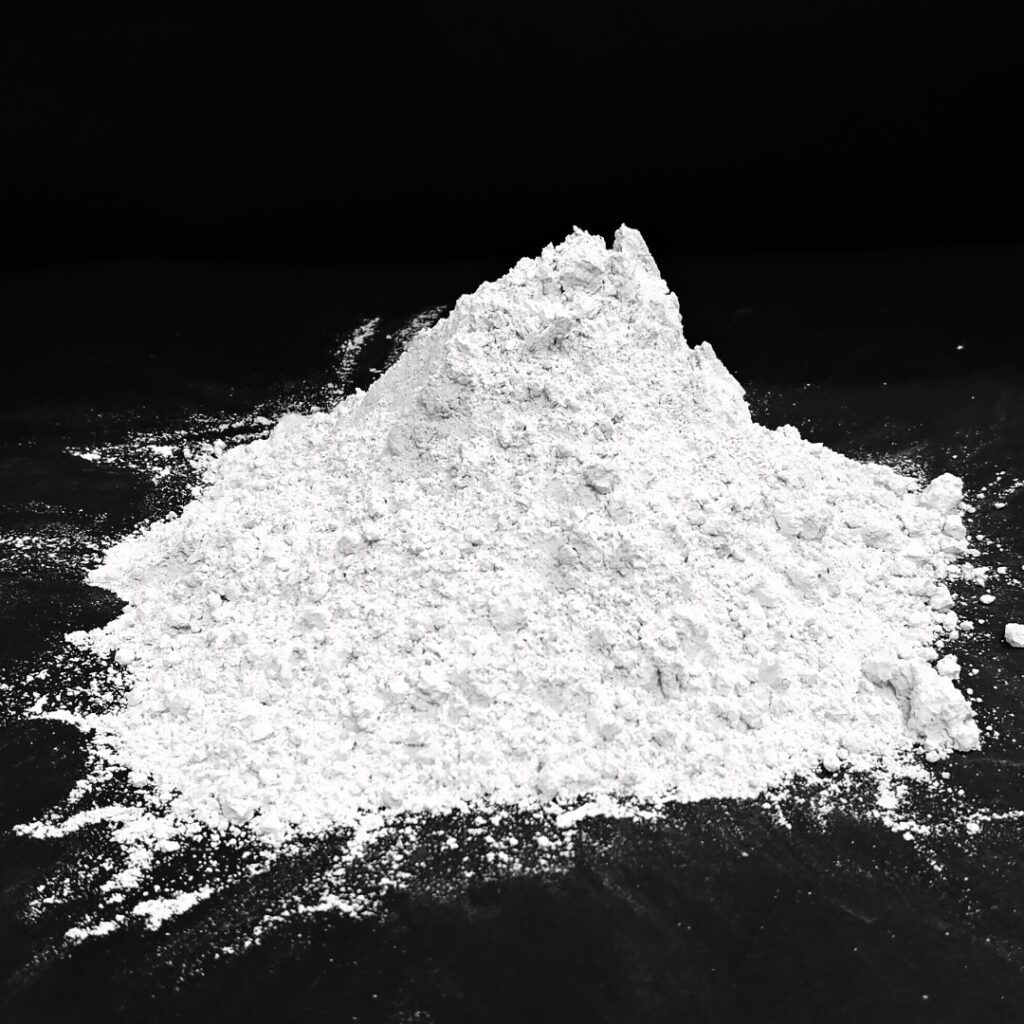
Calcite is a non-metallic mineral composed primarily of calcium carbonate (CaCO₃) and has a Mohs hardness of 3. Characterized by high whiteness and chemical stability, it serves as an indispensable functional filler in sectors such as plastics, coatings, rubber, building materials, and desulfurization after undergoing grinding and processing.
There is a common misconception that the powder grinding industry is the exclusive domain of ore processing plants. In reality, manufacturers of end-use products—such as plastics, coatings, rubber, and personal care goods—are emerging as the fastest-growing segment of demand in this sector. Establishing in-house grinding lines allows companies to control powder whiteness, fineness, and moisture content directly at the source, ensuring a perfect match for their specific formulations while eliminating intermediary markups; this represents a viable strategy for reducing costs and enhancing efficiency in today’s industrial landscape.
A complete calcite powder production line encompasses five key stages: crushing, drying (as required), grinding, classification and collection, and storage and packaging. The entire line operates under a sealed, negative-pressure system and offers adjustable fineness, making it suitable for the high-volume processing of standard powders. The following breakdown outlines the standardized process flow, focusing on the Raymond mill and European-style mill systems—technologies with proven track records in the industry.
1. Pre-processing: Crushing
Objective: To crush raw ore to a feed size suitable for the mill (recommended 10–30 mm), ensuring uniform feeding and creating optimal conditions for stable grinding.
Calcite has moderate hardness (Mohs hardness of 3) and requires relatively low crushing pressure:
· For primary crushing, a jaw crusher can be used to reduce large raw ore chunks to the 30–50 mm range;
· If the raw material chunks are oversized or higher production capacity is required, a secondary fine-crushing stage using an impact crusher or hammer crusher can be added. This stabilizes feed size control and prevents material blockages that could impair grinding efficiency.
Jaw crushers, impact crushers, and hammer crushers are standard auxiliary equipment for complete production lines and can be selected based on specific capacity requirements.
2. Drying (Optional/As Needed)
Calcite stored outdoors is prone to moisture absorption. When the raw material moisture content exceeds 5%, adding a drying stage is recommended to prevent material from sticking to walls or clogging the grinding chamber and pipelines, thereby ensuring continuous production.
Configuration options: Small-to-medium production lines can use an external hot-air drying furnace; large-scale lines or those in humid regions can utilize an integrated drying system that performs dewatering simultaneously with grinding for higher efficiency. Heat sources can be adapted to various furnace types, such as natural gas, biomass, or coal-fired units.
3. Core Grinding and Classification (Key Stage)
Material that has undergone crushing (and drying) is transported into the mill for grinding via a bucket elevator and a quantitative feeder. A variable-frequency dynamic powder classification system is installed at the top of the mill; the fineness of the finished product is precisely controlled by adjusting the rotor speed. Fine powder meeting specifications is carried by the airflow to the collector, while coarse particles automatically fall back into the grinding chamber for re-grinding, ensuring consistent product fineness and uniform particle size distribution.
4. Eco-friendly Negative-Pressure Dust Collection
The entire system utilizes a negative-pressure circulation process combined with a high-efficiency pulse dust collector to filter and collect dust centrally, ensuring a dust-free workshop environment and compliance with emission standards. This component is a standard feature of the production line and is essential for ensuring regulatory compliance.
5. Automated Warehousing and Packaging
The collected finished powder is stored in sealed, moisture-proof silos, with separate zones for different levels of fineness to prevent cross-contamination. Export-oriented lines can be equipped with automatic packaging machines (supporting both bulk bags and small-package formats), while internal production facilities can utilize a sealed pneumatic conveying system to transport the powder directly to the production workshop.