


Behind the MLCC Shortage: Barium Titanate Is the True Lifeline
Driven by the dual engines of AI computing power and new energy, the multi-layer ceramic capacitor (MLCC) industry is experiencing a new round of supply-demand tightness.
Often referred to as the “rice of the electronics industry,” MLCCs are the most widely used and ubiquitous fundamental electronic components in the sector.
As the AI server market surges, the volume of MLCCs (Multi-Layer Ceramic Capacitors) used in these systems is doubling. Demand for MLCCs in AI servers is projected to increase approximately 3.3-fold by 2030 compared to 2025 levels.
This explosive demand has directly triggered price hikes for high-end MLCCs. Furthermore, lead times have stretched dramatically—from eight weeks to as long as twenty weeks or even six months. Some reports suggest the industry may be facing the longest period of supply shortages in history.
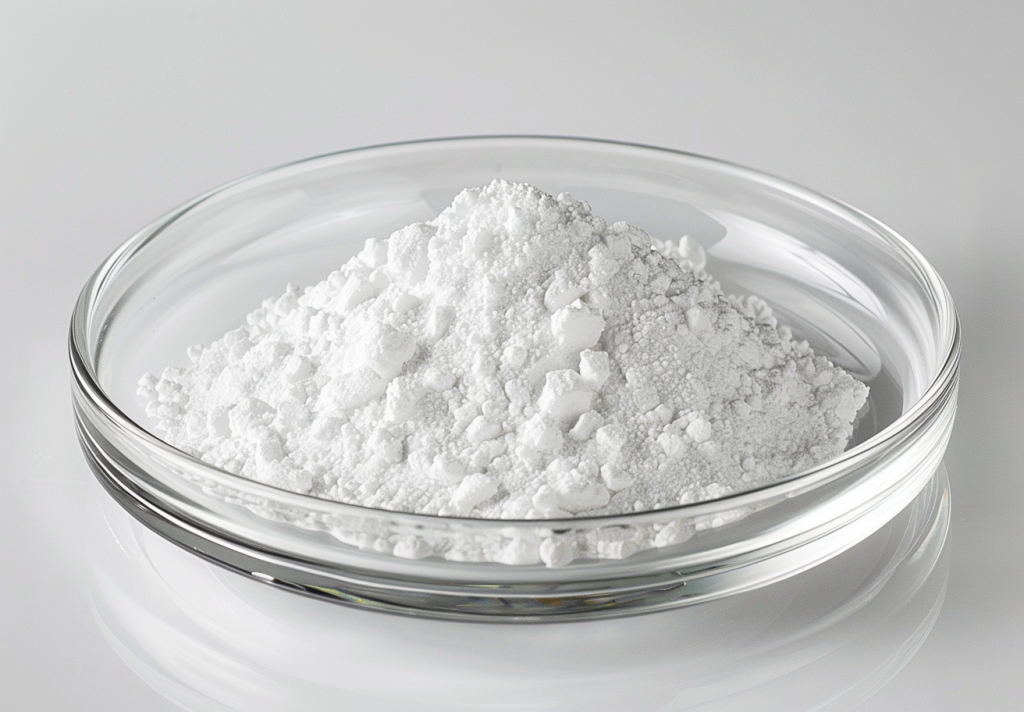
Underpinning this situation is a critical, often overlooked component: barium titanate.
Barium titanate (BaTiO3) features a classic perovskite crystal structure and possesses properties such as a high dielectric constant, ferroelectricity, and piezoelectricity. These characteristics make it an “all-rounder” for various electronic components, earning it the title of “pillar of the electronic ceramics industry.”
MLCCs (Multi-Layer Ceramic Capacitors) represent the most critical application area for barium titanate. Within an MLCC, the ceramic dielectric layer is the core component; its performance directly determines key parameters such as capacitance, voltage withstand, and frequency characteristics. Barium titanate serves as the primary raw material for this dielectric layer, accounting for approximately 70% of the raw material costs of an MLCC.
The rapid growth of emerging sectors—such as 5G, new energy vehicles (NEVs), artificial intelligence (AI), and the Internet of Things (IoT)—has driven up demands for barium titanate. For instance, MLCCs used in NEVs require barium titanate dielectric materials that have undergone specialized doping and modification to ensure stable performance across a temperature range of -40°C to 150°C. Similarly, AI devices and IoT sensors require vast quantities of miniature MLCCs and low-power memory components; this necessitates barium titanate powders with nanoscale particle sizes and high uniformity, alongside optimized ferroelectric and piezoelectric properties. The greater the AI computing power required, the more stringent the demands placed on the barium titanate used in MLCCs.
Achieving high capacitance and ultra-thin layers in MLCCs relies on the refinement of powder grains and the thinning of dielectric sheets—processes that demand high-quality core materials, advanced production equipment, and compatible manufacturing techniques.
High-end barium titanate powder is far from a simple chemical commodity; the significant technical barriers and the difficulty of expanding production capacity constitute the central challenge facing the current industry supply chain.